

When Can You Eat and Drink After Anesthesia?


Once surgery is over and anesthesia has worn off, one of the most common patient questions is when they can eat and drink again. The timing for starting fluids and food depends on several factors, including the type of surgery and the anesthesia method used. In this article, we will look at how many hours after anesthesia you can eat and drink, why starting too early can cause problems, and the best way to gradually return to a normal diet.
How Many Hours After Anesthesia Can You Drink Water?
The timing for starting to drink water after anesthesia is not the same for every patient. It depends on several factors, including the type of anesthesia, the type of surgery, the patient’s level of alertness, and the doctor’s instructions.
In most cases, fluids can be started once the patient is fully awake, can swallow normally, and does not have severe nausea or vomiting.
After simple, non-gastrointestinal surgery, many patients can start drinking small amounts of water once they are fully awake. After some surgeries, especially gastrointestinal procedures, the doctor may delay fluids until proper bowel function is confirmed.
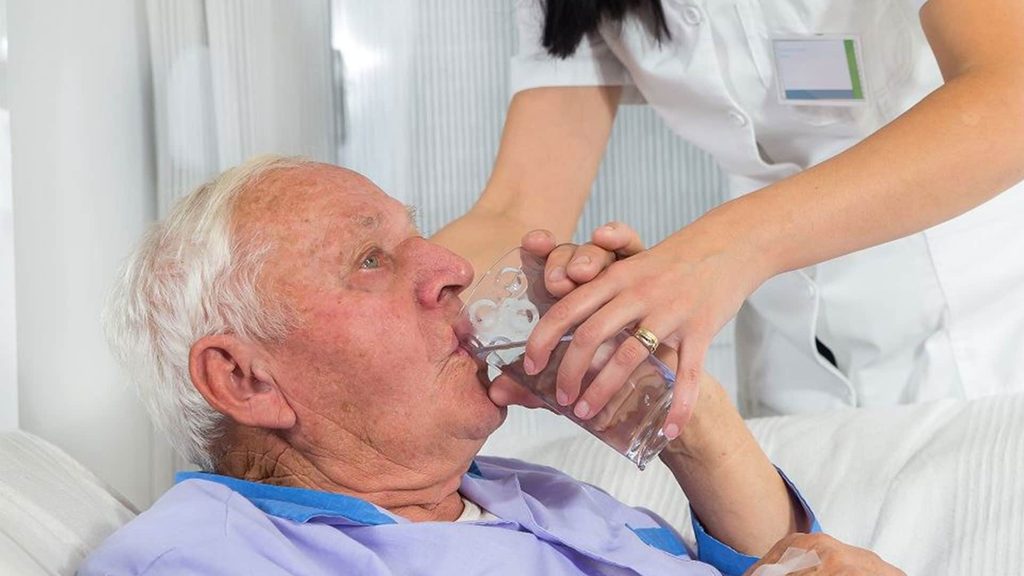
One very important point to understand is that drinking water at this stage does not mean drinking a full glass. At first, you are only allowed one or two sips of lukewarm water. If the patient can tolerate this amount without problems and does not develop nausea, vomiting, or trouble swallowing, the amount of fluid can be increased gradually.
Golden rule: Even if you feel very thirsty, never drink water on your own. Always wait for your doctor or nurse to give the go-ahead. Your safety comes first.
How Many Hours After Anesthesia Can You Eat?
The timing for starting to eat after anesthesia is also not the same for every patient. It depends on factors such as the type of surgery, the type of anesthesia, the patient’s level of alertness, and how well the digestive system is working.
In general, once the patient is fully awake and confirmed to be able to swallow without problems, fluids are started first. If those are tolerated, light foods are then added to the diet.
After non-gastrointestinal surgery, if the patient is alert and has no nausea, vomiting, or trouble swallowing, eating can usually start with light foods a few hours after waking up. After abdominal surgery, however, eating may be delayed longer because normal bowel movements need to return. In this case, eating should follow the surgeon’s instructions.
Why Can’t You Eat or Drink Immediately After Anesthesia?
The main reasons for this serious recommendation are:
1) Risk of Food or Fluids Entering the Lungs (Aspiration)
The most important reason you are not allowed to eat or drink immediately after anesthesia is that your body’s protective reflexes have not fully returned. Normally, these reflexes keep food and fluids from entering your airway.
When you are under general anesthesia, or even spinal anesthesia, some of these protective reflexes, such as the swallowing and cough reflexes, may be reduced for a while.
Imagine that in this state, a little water or food enters your mouth. Instead of moving naturally toward your esophagus and stomach, it takes the wrong path because your swallowing reflex is weak, and it ends up in your trachea and lungs. This is called aspiration, and it is a serious medical emergency. That is why the medical team will not allow you even a drop of water until they are sure your swallowing and cough reflexes have fully returned.
2) Nausea and Vomiting After Anesthesia
The medications used during anesthesia can cause nausea. If a patient eats or drinks in this state, the chance of vomiting goes up. Vomiting can double the risk of aspiration and may even cause surgical stitches to open.
3) Delayed Return of Bowel Movements
The next reason is the effect of anesthetic and opioid drugs on bowel movements. Our digestive system needs rhythmic, coordinated movements, called peristalsis, to digest food and move it along.
The anesthetic drugs and strong painkillers used to control pain during and after surgery slow these movements down sharply or even stop them.
If food or fluids enter the stomach and intestines before these normal movements return, the stomach cannot empty its contents into the intestines. This leads to nausea and bloating.
After gastrointestinal surgery, this situation is far more dangerous and can significantly delay recovery.

What Factors Determine When You Can Eat and Drink After Anesthesia?
Your doctor sets the exact timing for starting fluids and food based on your individual situation. The factors that make this timing vary from patient to patient include:
- Type of anesthesia: General anesthesia requires a longer waiting period than local anesthesia.
- Type of surgery: Abdominal and gastrointestinal surgery require more time than non-gastrointestinal surgery.
- Length of anesthesia: The longer the procedure, the longer the delay.
- Patient’s age: Children and older adults usually need more care and more time.
- Level of alertness: Eating and drinking are not allowed until full alertness returns.
- Nausea or vomiting: If you feel nauseated, feeding is delayed.
- Medications: Some medications slow down bowel movements.
The Right Order for Starting Food and Fluids After Surgery
In general, the process of restarting nutrition after anesthesia follows these steps:
- Start with a small amount of water or clear fluids.
- If fluids are tolerated, move on to foods such as thin soup, pureed food, or low-fat meals.
- Once food is tolerated and there are no digestive symptoms, you can gradually return to a normal diet.
What Should Your First Meal After Anesthesia Be?
Once your doctor gives the go-ahead to start eating, it is best to keep your first meal light and small. This lowers the chance of nausea, vomiting, or stomach discomfort. The type of food should also match the surgery you had and your doctor’s instructions.
Here is what to look for in your first meal after anesthesia:
- Light and easy to digest
- Low in fat and spices
- Not gas-producing
- Lukewarm (neither hot nor cold)
- Small in portion (start with a few spoonfuls)
If you have no dietary restrictions, good options include thin soup, rice pudding, almond porridge, soft rice, and mashed potatoes. For that first meal, it is best to avoid fatty and fried foods, spicy or heavy meals, gas-producing legumes, and carbonated drinks.
Frequently Asked Questions
Can You Drink Tea, Coffee, or Other Beverages After Anesthesia?
After your medical team gives the go-ahead, you start with water and clear fluids. If you do not develop nausea, vomiting, or other problems after these fluids, you can then have tea or coffee with your doctor’s permission.
What Should You Do If You Feel Thirsty?
Do not drink water on your own until you are allowed to. To ease dry mouth and thirst, moisten your lips or rinse your mouth without swallowing the water.
What Should You Do If You Feel Nauseous After Drinking Water?
Stop drinking water and tell your nurse or doctor. Once the nausea passes, fluids should be restarted in small amounts according to your medical team’s instructions.
Conclusion
In the end, how many hours after anesthesia you can eat and drink is not the same for every patient. Your physical condition, the type of surgery, and your specific post-surgery instructions can all change this timing. So even if you feel thirsty or hungry, it is better to wait until your medical team gives the go-ahead. Take your doctor’s and nurse’s advice about the type and amount of food and fluids seriously.